The Hidden Dietary Traps That Keep Stones Coming Back
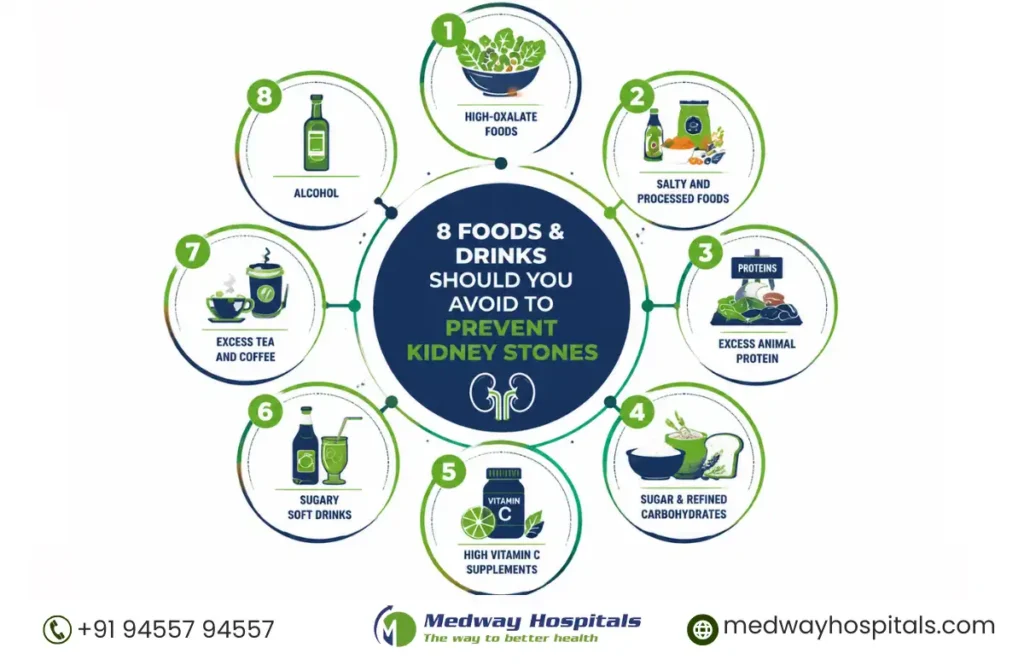
Kidney stones have earned a reputation for causing some of the most intense pain in medicine. Yet many people don’t realize these painful mineral deposits often begin forming months—or even years—before symptoms appear. Foods to Avoid with Kidney Stones include high-sodium foods, processed snacks, sugary drinks, excessive animal protein, spinach, beets, nuts, and chocolate, as they may increase stone formation risk depending on the stone type.
Every day, the kidneys filter nearly 180 liters of fluid, balancing minerals, electrolytes, and waste products. When this delicate balance is disrupted, certain substances can become concentrated enough to crystallize. Over time, these crystals may grow into kidney stones.
The encouraging news is that many of the factors contributing to stone formation are influenced by daily lifestyle choices, particularly diet. Understanding which foods increase risk—and why—can help prevent future episodes and support long-term kidney health.
Why Diet Matters More than Most People Realize
Many individuals assume kidney stones are purely genetic. While genetics certainly influence risk, diet often determines whether those risks become reality.
Food affects:
- Urine concentration
- Calcium levels
- Oxalate levels
- Uric acid production
- Urine pH balance
- Hydration status
Think of your urine as a solution. When too many stone-forming substances accumulate and too little water is available to dilute them, crystals begin to form.
In other words, kidney stones are often a chemistry problem—and diet directly influences that chemistry.
Understanding the Chemistry Behind Kidney Stones
Before discussing foods to avoid, it helps to understand the major types of kidney stones.
| Stone Type | Approximate Frequency | Main Contributors |
| Calcium Oxalate | Most Common | Oxalate, dehydration, excess sodium |
| Calcium Phosphate | Less Common | Alkaline urine |
| Uric Acid | Common | High purine intake |
| Struvite | Associated with infections | Chronic UTIs |
| Cystine | Rare | Genetic disorders |
Different stones have different triggers, but several dietary patterns increase risk across multiple stone types.
The 7 Hidden Dietary Traps That Increase Kidney Stone Risk
Trap #1: The Salt Overload Problem
Many people focus on sugar while overlooking sodium.
Excess sodium causes the kidneys to excrete more calcium into urine. More urinary calcium means a greater opportunity for calcium-based stones to develop.
Common hidden sources include:
- Packaged snacks
- Instant noodles
- Restaurant meals
- Pickles
- Processed cheese
- Ready-to-eat foods
The problem isn’t the occasional salty meal—it’s the accumulation of sodium throughout the day.
Trap #2: The Spinach Myth – When Healthy Foods Become a Risk
Spinach is often praised as a superfood. For many people, it absolutely is.
However, spinach also contains exceptionally high amounts of oxalates.
Oxalates can combine with calcium in urine and contribute to calcium oxalate stones.
Other high-oxalate foods include:
- Beetroot
- Almonds
- Cashews
- Cocoa powder
- Sweet potatoes
- Swiss chard
The lesson isn’t that healthy foods are bad. The lesson is that even healthy foods should be consumed appropriately when kidney stone risk is present.
Trap #3: Sugary Drinks and the Dehydration Cycle
One of the biggest contributors to kidney stone formation is inadequate hydration.
Unfortunately, many beverages that appear hydrating may actually contribute to risk.
Regular consumption of:
- Soft drinks
- Energy drinks
- Sweetened fruit beverages
- Flavored sugary drinks
has been associated with increased stone risk.
These drinks often add sugar while failing to provide the hydration benefits of plain water.
Trap #4: Too Much Animal Protein
Protein is essential, but excess animal protein creates challenges for kidney stone prevention.
Large amounts of meat may:
- Increase uric acid production
- Reduce protective citrate levels
- Increase urinary calcium
- Make urine more acidic
Foods requiring moderation include:
- Red meat
- Processed meat
- Organ meat
- Certain seafood varieties
Balance is more important than elimination.
Trap #5: Processed Foods and Hidden Sodium
Ultra-processed foods deserve special attention because they combine multiple risk factors.
They often contain:
- High sodium
- Added sugars
- Artificial preservatives
- Poor nutrient density
Examples include:
- Frozen meals
- Processed snacks
- Fast food
- Packaged bakery products
These foods create a perfect storm for kidney stone formation.
Trap #6: High-Purine Foods and Uric Acid Stones
Purines break down into uric acid.
Excessive uric acid can crystallize and form stones.
Foods highest in purines include:
| Food | Purine Level |
|---|---|
| Liver | Very High |
| Kidney | Very High |
| Sardines | High |
| Anchovies | High |
| Mackerel | High |
Individuals with uric acid stones should be especially mindful of these foods.
Trap #7: The Supplement Mistake Most People Don’t Know About
Many people assume more vitamins always mean better health.
However, high-dose vitamin C supplements can increase oxalate production in some individuals.
This does not mean vitamin C-rich foods should be avoided. The concern is excessive supplementation without medical guidance.
Foods to Avoid with Kidney Stones
| Food Category | Why It Matters |
|---|---|
| High-Sodium Foods | Increase urinary calcium |
| Spinach & High-Oxalate Foods | Promote calcium oxalate stones |
| Sugary Soft Drinks | Increase stone risk |
| Processed Foods | High sodium and sugar |
| Organ Meats | Increase uric acid |
| Excess Red Meat | Alters urine chemistry |
| Excessive Vitamin C Supplements | May increase oxalate production |
What to Eat Instead: Kidney-Friendly Food Swaps
| Instead Of | Choose |
|---|---|
| Cola Drinks | Water with Lemon |
| Processed Snacks | Fresh Fruits |
| Instant Noodles | Homemade Soups |
| Processed Meat | Fresh Lean Protein |
| Sugary Desserts | Whole Fruits |
| Salted Snacks | Unsalted Alternatives |
Lifestyle and Diet Tips to Prevent Kidney Stones
The most effective prevention strategies include:
- Drink water consistently throughout the day
- Limit sodium intake
- Consume adequate dietary calcium
- Increase citrus fruit intake
- Maintain a healthy body weight
- Stay physically active
- Avoid prolonged dehydration
Small habits repeated daily often have a greater impact than dramatic dietary changes.
The Hydration Formula: How Much Water is Really Enough?
Rather than focusing solely on glasses of water, focus on urine output.
Most experts recommend producing approximately 2–2.5 liters of urine daily.
Signs of good hydration include:
- Pale yellow urine
- Regular urination
- Reduced thirst
Dark yellow urine may indicate insufficient hydration.
A One-Day Kidney Stone Prevention Meal Plan
- Breakfast: Oatmeal with low-fat milk, banana, and water
- Mid-Morning: Fresh fruit and lemon water
- Lunch: Brown rice, vegetables, dal, yogurt, and salad
- Evening Snack: Unsalted roasted chickpeas and water
- Dinner: Grilled fish or lentils, vegetables, whole grains, and citrus fruit
Warning Signs That Your Diet May Be Increasing Stone Risk
You may need to reassess your habits if you:
- Rarely drink water
- Consume fast food frequently
- Drink multiple soft drinks daily
- Eat excessive processed foods
- Have experienced previous kidney stones
- Frequently notice dark-colored urine
When to Consult a Doctor or Nephrologist
Seek medical attention if you experience:
- Severe flank pain
- Blood in urine
- Fever with urinary symptoms
- Recurrent kidney stones
- Persistent urinary discomfort
Professional evaluation can identify the specific stone type and guide personalized prevention strategies
Expert Insight
“Many people immediately stop consuming calcium after developing a kidney stone. In reality, inadequate dietary calcium may actually increase the risk of calcium oxalate stones because more oxalate becomes available for absorption. Prevention is often about balance rather than restriction.”
Conclusion
Kidney stones may be small, but their impact can be enormous. Fortunately, prevention often begins with everyday choices that seem insignificant at the moment—choosing water instead of soda, limiting excess salt, eating balanced portions, and staying consistently hydrated.
The goal is not to fear food or eliminate every potential trigger. It is to understand how food influences the chemistry of the kidneys and make informed decisions that reduce risk over time. When healthy eating habits become routine, they do more than prevent kidney stones—they support the long-term health of the entire urinary system.